
Allied QuantumSea Research | Secondhand Investment Trends | October 2026
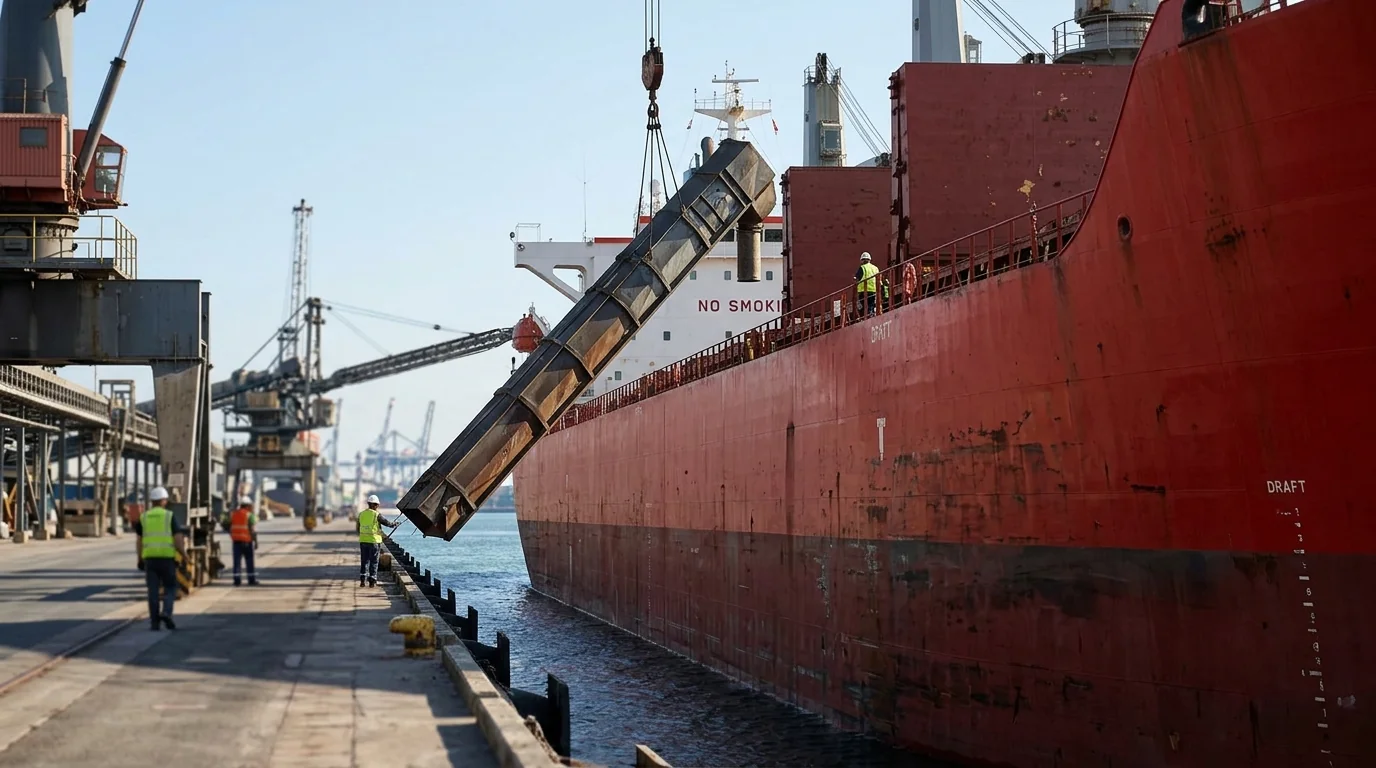
Our October review takes a closer look at investment trends in the secondhand shipping market, with the key findings outlined below and the full analysis available in the attached PDF.
October’s secondhand market showed a clear shift towards tankers, despite little change in overall activity. A total of 168 vessels changed hands, unchanged year on year and 2% above September. Tanker sales rose 61% to 82 vessels, while dry bulk sales fell 30.5% to 57. Tankers accounted for 49% of all transactions, compared with 34% for dry bulk, with their gains offsetting fewer sales elsewhere.
Disclosed investment across all sectors reached approximately US$4.7bn, below September’s US$6.6bn. Tankers attracted US$2.9bn, compared with US$1.1bn for dry bulk and US$0.7bn for other vessels. Their share was approximately 62% of total capital, rising to 73% within dry bulk and tankers alone. The stronger tanker weighting therefore accompanied a monthly decline in aggregate spending.
Through October, total sales reached 1,481 vessels, up 17% year on year. Dry bulk retained the larger count, with 644 sales against 572 tankers, but tanker purchases grew 68%, compared with 7% for dry bulk. Tankers also attracted US$20.8bn of the US$32.1bn disclosed across these two sectors, versus US$11.3bn for dry bulk.
Greek and Chinese buyers followed different patterns. Within dry bulk and tankers, Greek buyers purchased 16 ships in October, evenly split between the sectors; Chinese buyers purchased 12, comprising nine bulkers and three tankers. Over January–October, Greek capital favoured tankers, at US$4.5bn against US$2.1bn in dry bulk. Chinese investment was concentrated in dry bulk, at US$2.5bn versus US$0.6bn in tankers. Chinese capital was also more weighted towards older vessels, while Greek buyers showed a younger dry bulk mix.
The overall picture is one of continued investment with the strongest expansion in tanker buying. Dry bulk remains active, but October’s weaker turnover points to a less uniform market. Whether this tanker concentration persists will depend on freight expectations and operating conditions; aggregate spending alone cannot establish rising values for comparable ships.
We invite you to explore the attached report for a closer look at October’s investment trends, including monthly and year-to-date comparisons, Greek and Chinese buying activity, vessel size and age profiles, and transaction-price disclosure.
