
Uptake of LNG as a fuel for shipping
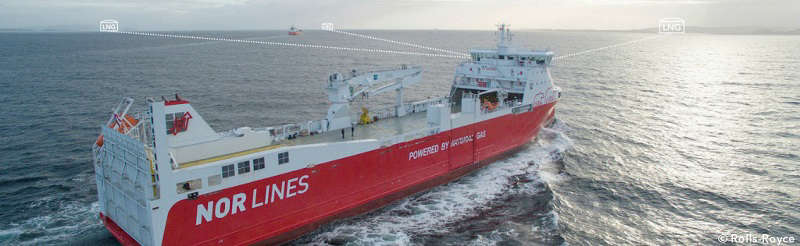 Using natural gas as a fuel has long been hailed as the future of shipping. However, it has proven remarkably difficult to establish exactly when this particular future will arrive. In 2012, DNV GL predicted that by 2020, the LNG-fuelled fleet would comprise around 1,000 vessels.
 |
Three years later, this figure was revised downwards to between 400 and 600 vessels, with low oil price and slower than expected development of bunkering infrastructure cited as key reasons.
Today, there are 117 vessels burning LNG, of which more than two-thirds are operating in Europe. A confirmed order book of 111 vessels will see that figure double. In addition, there are 114 vessels that are classified as LNG-ready. A quicker uptake of LNG as a fuel for shipping is thus clearly visible.

Area of operation of LNG fuelled vessels
Bunkering boom
The conditions needed for an acceleration are in place. In particular, bunkering options are expanding on a global scale. Today, there are 60 supply locations worldwide, including Singapore, the Middle East, the Caribbean as well as Europe, according to the latest data in DNV GL’s LNGi business intelligence portal. A further 28 facilities have been decided and at least 36 are under discussion.
By the beginning of 2018, six LNG bunker vessels will be in operation globally, and four more projects are confirmed. Major players including Total, Shell, Gas Natural Fenosa, ENN and Statoil have announced plans for new LNG bunker vessels, which, according to DNV GL’s Senior Consultant for Environmental Advisory, Martin Christian Wold, are likely to materialize in the near future at key locations in northern Europe, the Middle East, the Gulf of Mexico, Singapore, and the Mediterranean.
